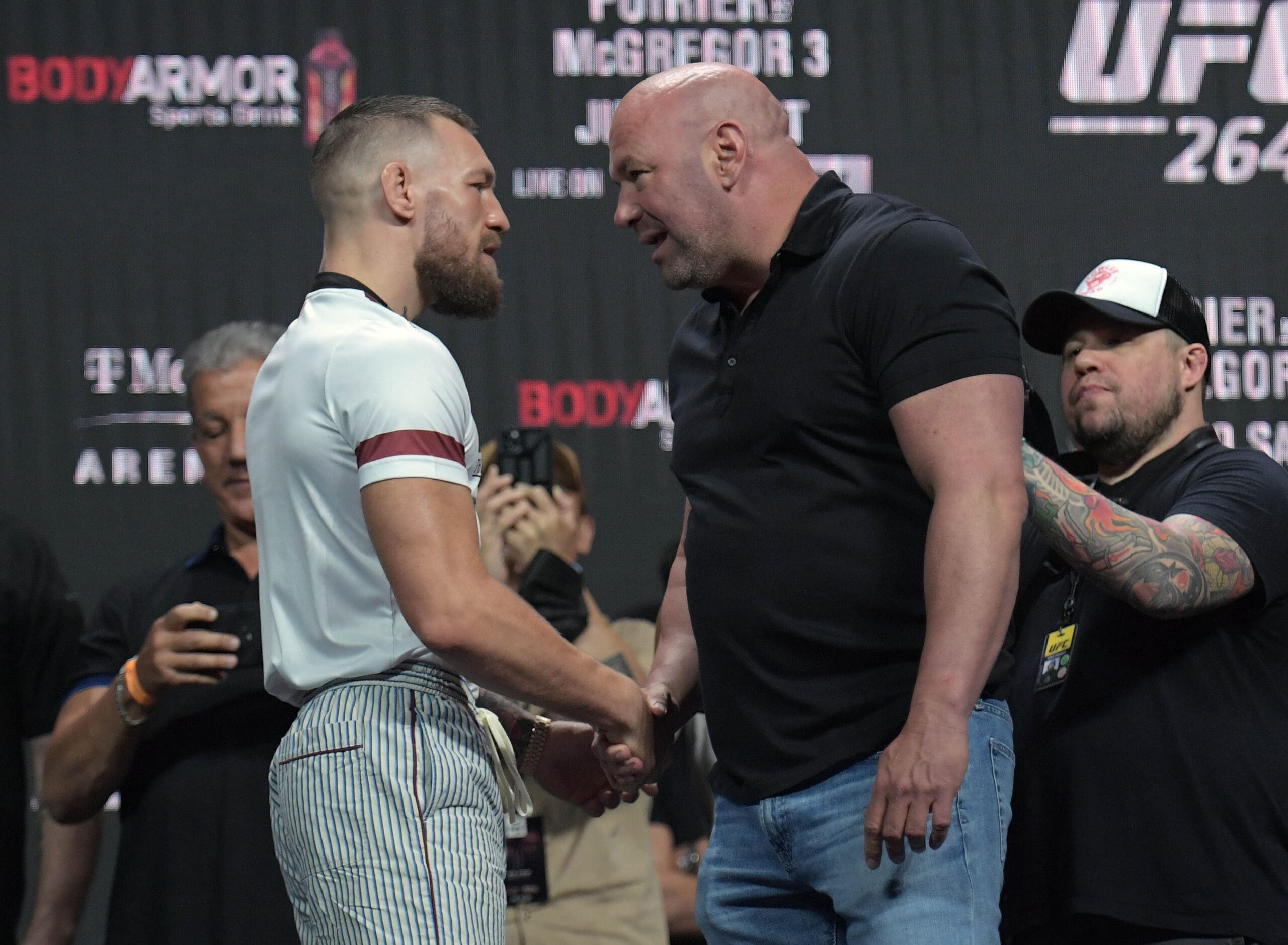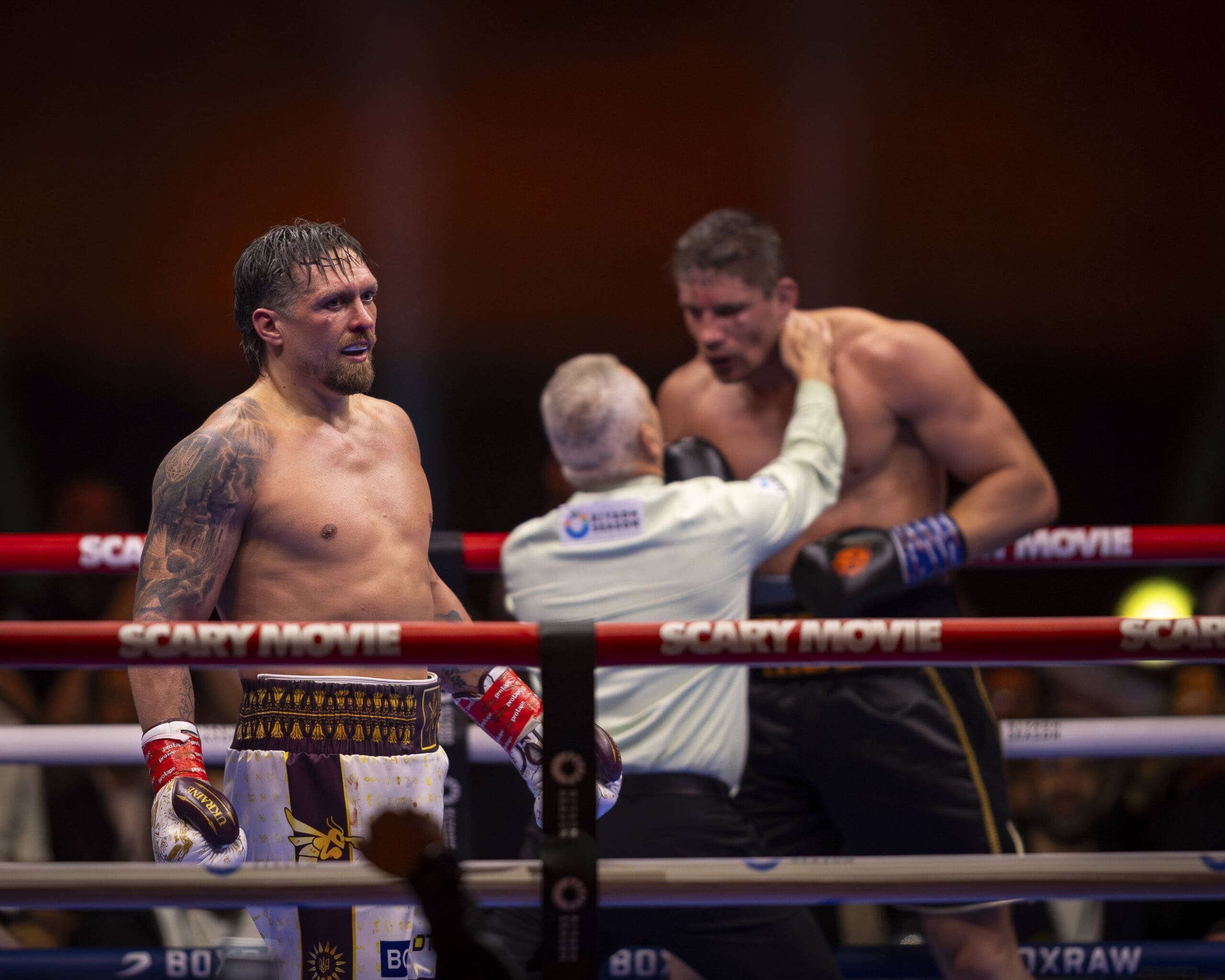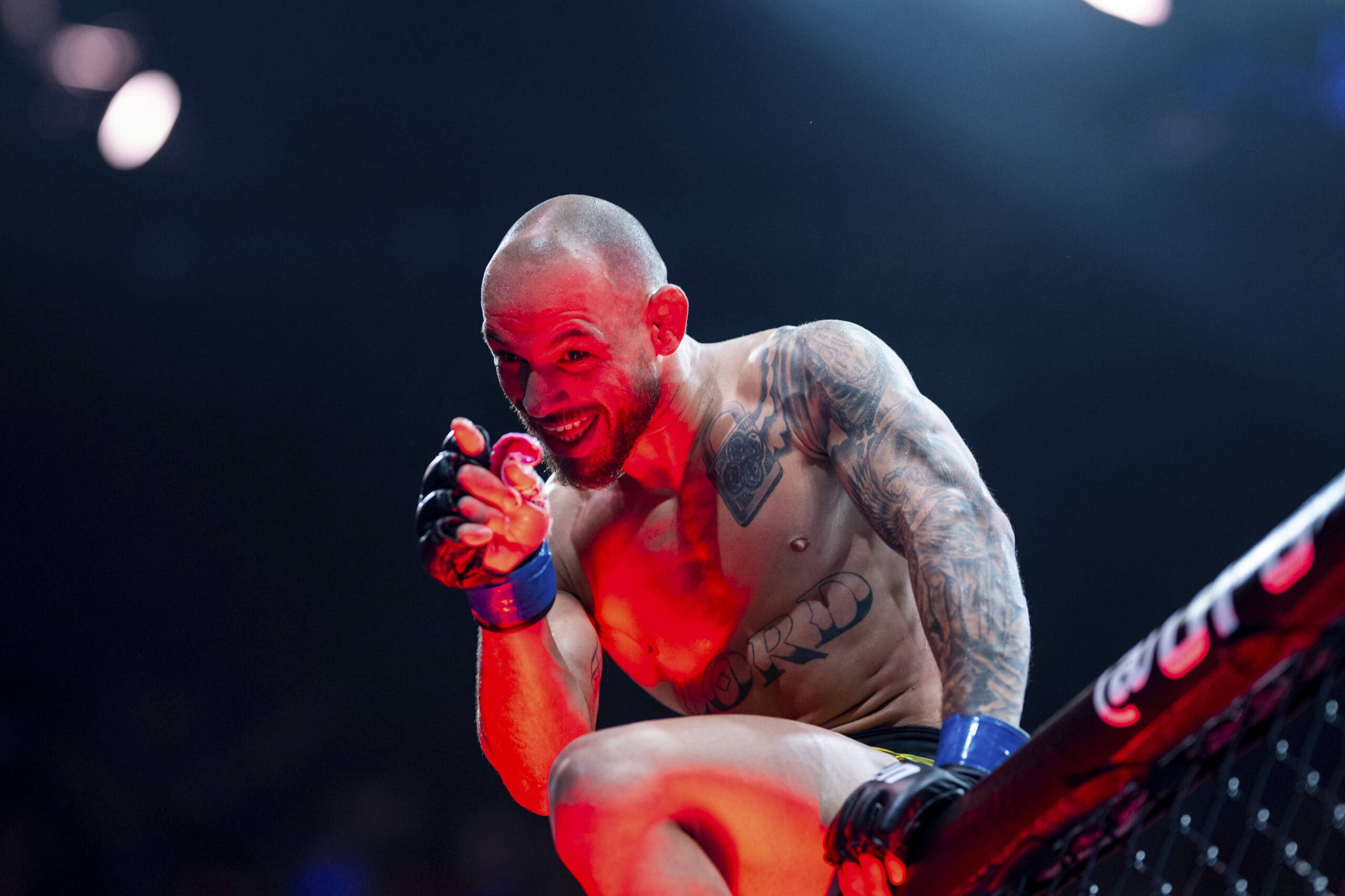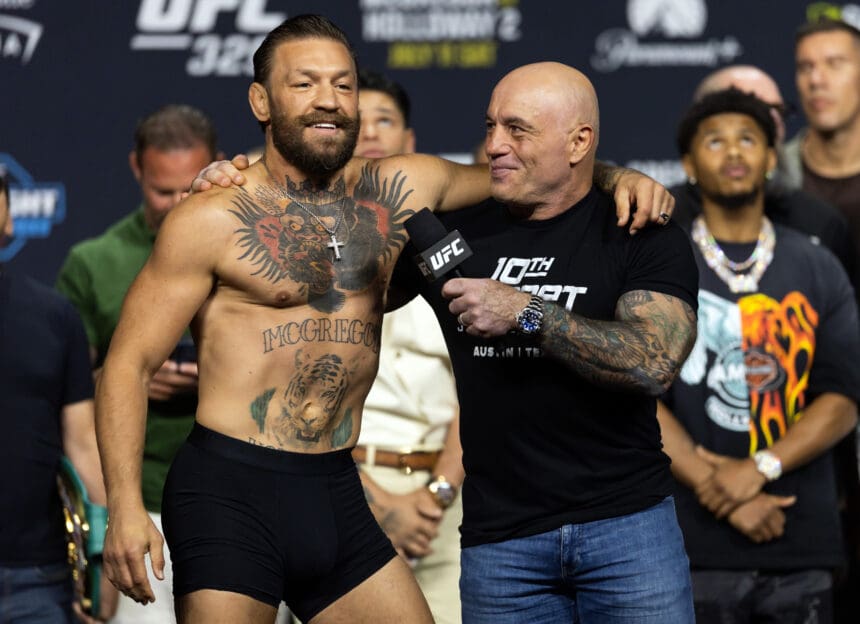
With Conor McGregor finally set to make his long-awaited return to the Octagon after five years, he will have no easy task when he takes on Max Holloway in the main event of UFC 329. The biggest talking point heading into the fight has been McGregor’s lengthy absence from competition. The former two-division champion hasn’t fought since UFC 264 in July 2021, where he suffered a devastating broken leg against Dustin Poirier.
That naturally raises the biggest question: Will ring rust play a factor in McGregor’s comeback? For the unversed, the Irishman’s five-year hiatus is officially the second-longest layoff for a high-profile UFC star before returning to the Octagon. With that in mind, now is the perfect time to look back at six UFC fighters who endured massive layoffs before making their own comebacks, for better or for worse.
1. Nick Diaz
- Layoff Duration: 6 Years, 7 Months, and 25 days (2,429 Days)
- Departure: January 31, 2015 (UFC 183)
- Return: September 25, 2021 (UFC 266)
If there is one fighter whose absence felt like an entire era passing by, it is Stockton’s own Nick Diaz. The former Strikeforce welterweight champion walked away from the sport following a high-profile, five-round main event against Anderson Silva at UFC 183 in January 2015. The aftermath of that fight plunged Diaz into a protracted battle with the Nevada State Athletic Commission due to a positive test for marijuana metabolites.
The initial, heavily criticized five-year suspension was eventually reduced, but by the time the legal hurdles cleared, Diaz had seemingly settled into a comfortable lifestyle outside of the cage, leaving his younger brother Nate Diaz to carry the family mantle. The sport shifted entirely during his hiatus: USADA drug testing peaked, the standard of athlete conditioning surged, and the UFC evolved into a mainstream powerhouse.
ALSO READ: 10 Highest-Grossing UFC Events Ever After Conor McGregor’s UFC 329 Smashes All Previous Records
The exile finally ended in September 2021 at UFC 266, where Diaz returned for a highly anticipated rematch against Robbie Lawler, 17 years after Diaz had famously knocked Lawler out at UFC 47. The circumstances leading up to the fight were chaotic, including a late demand from the Diaz camp to move the contest from welterweight to the 185-pound middleweight limit.
Inside the Octagon, the 38-year-old Diaz showed flashes of his legendary volume striking, throwing over 300 strikes in just over two rounds. However, the physical toll of a near seven-year layoff was undeniable. Diaz lacked his trademark lateral mobility and structural sharpness, ultimately succumbing to Lawler’s relentless forward pressure and retiring on his shield via a third-round TKO.
2. Conor McGregor
- Layoff Duration: 5 Years (1,827 Days)
- Departure: July 10, 2021 (UFC 264)
- Return: July 2026 (UFC 329)
Conor McGregor holds the distinction of commanding the most highly anticipated, protracted absences in modern MMA history. His latest hiatus began under catastrophic circumstances at UFC 264 in July 2021. During the culmination of his highly publicized trilogy bout against Dustin Poirier, McGregor snapped his lower tibia and fibula in the closing seconds of the first round. The resulting doctor’s stoppage loss left the sport’s biggest box-office draw facing major reconstructive surgery and an incredibly grueling rehabilitation process.
What was initially expected by Dana White to be a one-year recovery spiraled into a half-decade saga. McGregor’s time away from the cage became a whirlwind of pop-culture crossovers, including a starring role in the Hollywood remake of Road House, multi-million dollar business ventures, and complex entanglements regarding his status in the anti-doping testing pool.
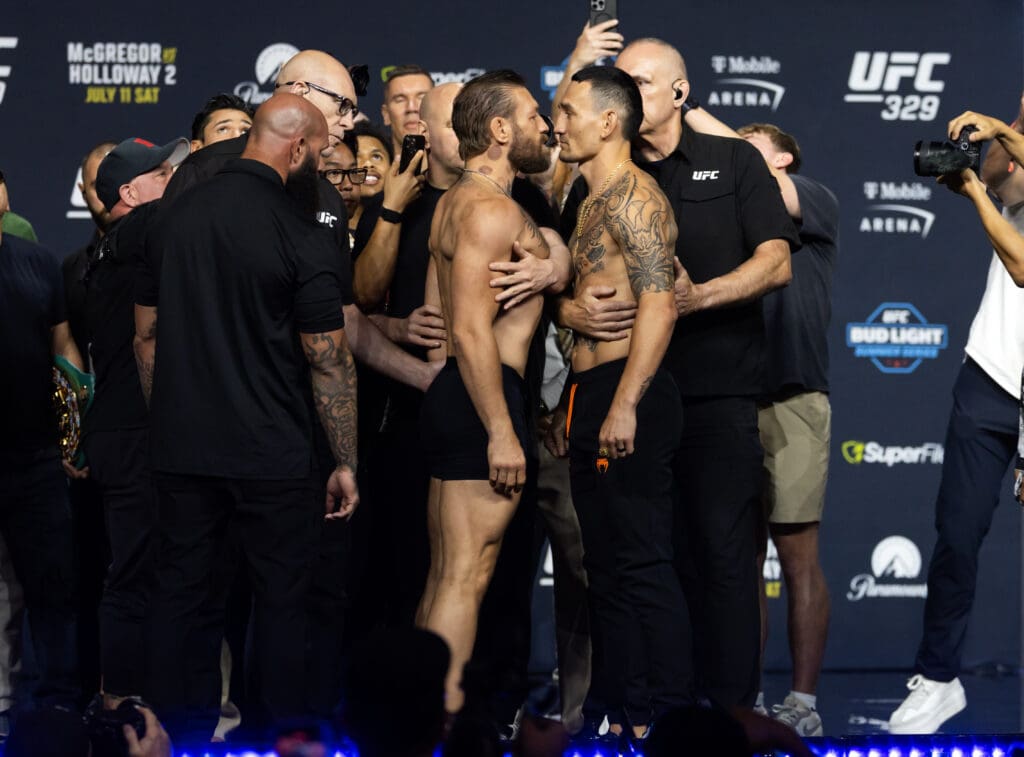
A highly publicized coaching stint on The Ultimate Fighter 31 opposite Michael Chandler in 2023 failed to materialize into a fight at UFC 303 as he broke his toe just weeks before the event, leaving fans wondering if the Irishman would ever compete again. Ultimately, McGregor’s historic five-year layoff is set to conclude at UFC 329 in July 2026, where he is booked into a high-stakes rematch against former featherweight rival Max Holloway.
At 37 years of age and facing a hyper-active, elite competitor like Holloway, McGregor’s return stands as one of the longest gaps between appearances for any former multi-division champion in promotional history, testing the absolute limits of an athlete’s ability to shake off five years of competitive rust.
3. Dominick Cruz
- Layoff Duration: 2 Years, 11 Months, 25 Days (1,091 Days)
- Departure: October 1, 2011 (UFC 135)
- Return: September 27, 2014 (UFC 178)
- Layoff Duration: 3 Years, 4 Months, 9 Days (1226 Days)
- Departure: December 30, 2016 (UFC 207)
- Return: May 9, 2020 (UFC 249)
No discussion of historic UFC layoffs is complete without paying homage to the ultimate comeback story: Dominick Cruz. As the inaugural UFC bantamweight champion, Cruz revolutionized the sport with an unorthodox, footwork-heavy style that made him virtually untouchable. However, after defending his belt against Demetrious Johnson in October 2011 at UFC 135, Cruz entered an unprecedented injury purgatory.
Over the next three years, Cruz suffered a torn ACL, a rejected cadaveric ACL transplant, a torn groin, and a second ACL tear on the opposite leg. He was stripped of his undisputed title due to inactivity, and many feared his career was permanently over. Cruz finally made his return at UFC 178 in September 2014 against Takeya Mizugaki.
The sports world held its breath, expecting a diminished version of the former champion. Instead, Cruz looked sharper than ever, blitzing Mizugaki and securing a ferocious TKO victory in just 61 seconds. Though further injuries would shelve him for another 16 months immediately after this fight, his triumph at UFC 178 remains the most emotionally charged validation of a fighter overcoming the physical trauma of a multi-year layoff.
The second big layoff was even more devastating. Between Cruz’s loss to Cody Garbrandt at UFC 207 (December 30, 2016) and his return against Henry Cejudo at UFC 249 (May 9, 2020), the exact duration of his second major layoff is 3 years, 4 months, and 9 days (which equals 1,226 days total).
During this timeframe, Cruz was repeatedly sidelined by successive injuries, including a broken arm in 2017 and a severe shoulder injury in 2018, forcing him out of scheduled bouts until his championship return in the spring of 2020.
4. Brock Lesnar
- Layoff Duration: 4 Years, 6 Months, 10 Days (1,653 Days)
- Departure: December 30, 2011 (UFC 141)
- Return: July 9, 2016 (UFC 200)
Brock Lesnar’s initial run in the UFC heavyweight division was a meteoric spectacle that altered the sport’s pay-per-view landscape. However, his MMA career was severely derailed by severe bouts of diverticulitis, a debilitating intestinal disease that robbed him of his physical prime. Following consecutive, brutal stoppage losses to Cain Velasquez and Alistair Overeem, the latter occurring at UFC 141 in December 2011, Lesnar called it quits and returned to the squared circle of professional wrestling.
For four and a half years, Lesnar remained completely removed from combat sports, performing as a top star in the WWE. Then came the landmark UFC 200 event in July 2016. In a surprise cross-promotional blockbuster deal, the company announced that Lesnar would return for a one-off marquee matchup against Mark Hunt. The layoff was immense, especially for a heavyweight who openly disliked absorbing strikes.
Yet, Lesnar defied the odds on fight night. Relying on his elite NCAA Division I wrestling pedigree, Lesnar repeatedly took Hunt down, neutralizing the kickboxer’s lethal hands and earning a unanimous decision victory. While the result was later overturned to a No Contest due to a failed drug test, the sheer physical feat of Lesnar returning after four and a half years away to dominate a top-ten heavyweight remains an iconic moment of long-term layoff survival.
5. Georges St-Pierre
- Layoff Duration: 3 Years, 11 Months, and 19 Days (1,449 Days)
- Departure: November 16, 2013 (UFC 167)
- Return: November 4, 2017 (UFC 217)
If Conor McGregor’s layoff represents the chaos of modern stardom, Georges St-Pierre’s four-year absence represents the pinnacle of a self-imposed exile and remains the gold standard for a successful return. In November 2013, St-Pierre defended his welterweight championship for the ninth consecutive time in a grueling, controversial split-decision victory over Johny Hendricks at UFC 167.
Physically battered and mentally exhausted by the suffocating pressure of being the promotional figurehead, GSP vacated his title and announced an indefinite hiatus from the sport. During his four years away, St-Pierre focused on his health, advocating for stricter drug testing in MMA while refusing to rush back into the spotlight. The sport moved on, crowns changed hands, and a new generation of athletes emerged. Yet, St-Pierre quietly prepared for a monumental legacy play.
He returned at UFC 217 in November 2017, bypassing his old welterweight stomping grounds to challenge Michael Bisping for the UFC middleweight gold. Despite a nearly four-year layoff and moving up a weight class, St-Pierre looked spectacular. He showcased sharp striking, utilized his trademark wrestling, and ultimately choked Bisping unconscious with a rear-naked choke in the third round. By conquering ring rust and winning a world title in a second division, GSP cemented his status as an outlier in sports history.
6. Jon Jones
- Layoff Duration: 3 Years, 24 Days (1,120 Days)
- Departure: February 8, 2020 (UFC 247)
- Return: March 4, 2023 (UFC 285)
Jon Jones is widely considered the greatest mixed martial artist of all time, but his career has been defined as much by his absences as his dominance. His longest competitive layoff began after a razor-thin, successful light heavyweight title defense against Dominick Reyes at UFC 247 in February 2020. Recognizing that he had cleaned out the 205-pound division, Jones vacated the championship with the intention of embarking on a meticulous physical transformation to enter the heavyweight division.
What was supposed to be a transitional period stretched into more than three years. Jones faced public contract disputes with the UFC, legal troubles, and the immense physical challenge of safely packing on over 40 pounds of functional muscle mass without losing his trademark speed and agility.
View this post on Instagram
When Jones finally stepped back into the Octagon at UFC 285 in March 2023, the MMA community wondered if a three-year layoff at the tail end of an athlete’s prime would finally expose him. Instead, Jones authored a masterpiece. Facing the dangerous Ciryl Gane for the vacant heavyweight throne, Jones needed just 124 seconds to close the distance, secure a takedown, and lock in a guillotine choke.

Kshitiz Kumar Singh is a UFC Writer at NY Fights with over three years of experience in sports journalism and content creation. Known for his sharp storytelling and passion for combat sports, he has written in-depth features on stars like Brock Lesnar, Randy Couture, and Ilia Topuria. Before joining NY Fights, Kshitiz worked as a UFC Editor at EssentiallySports while currently serving as a WWE Editor at FirstSportz. His admiration for legends like Georges St-Pierre continues to inspire his detailed and engaging MMA coverage. Whether he’s covering the Octagon or the squared circle, Kshitiz is committed to delivering accurate, high-quality content. Outside the world of sports, he’s a dedicated cinephile, often found practicing monologues from his favorite Al Pacino films, combining his love for cinema with storytelling.