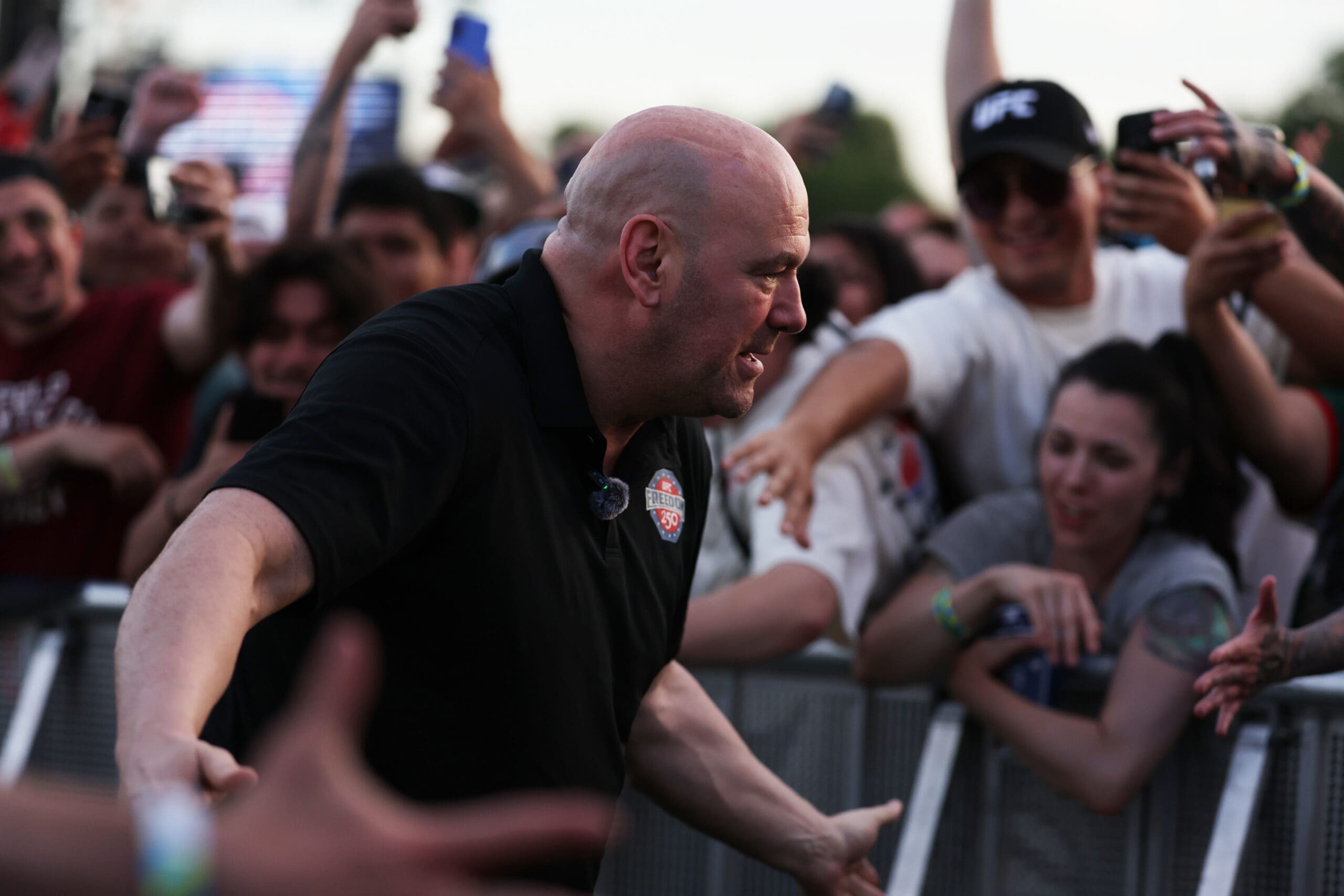
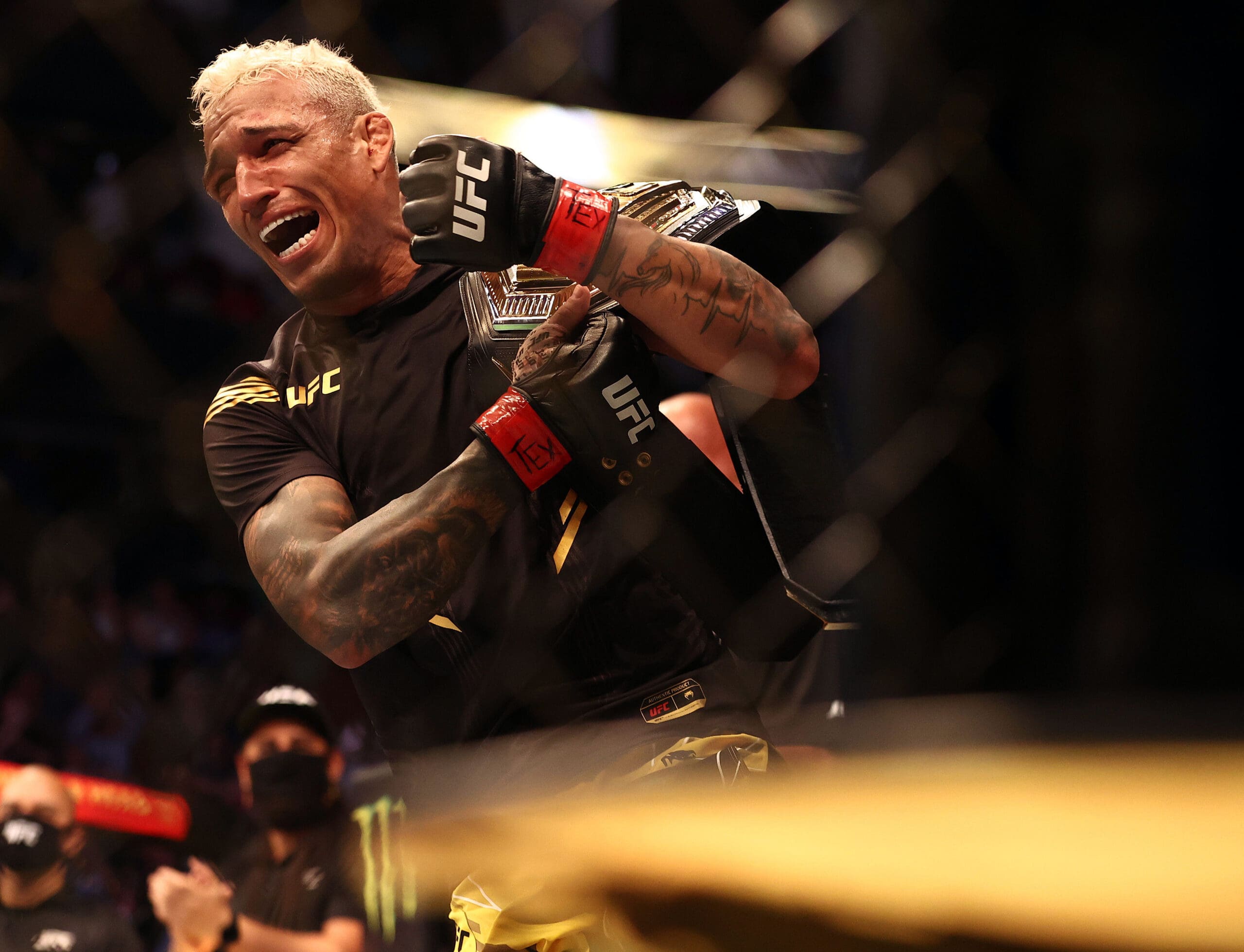
Combat sports once lived behind gates, ticket booths, and cable packages. Fans chased highlights on late-night TV and waited for coverage that already felt old. That world cracked when online video became the main meal. YouTube did not just host clips. It changed hype, loyalty, and the way fighters turn personality into value. Combat sports run on story as much as skill. A punch lands in a second. A legend grows all week. What this signals is a real shift in power. Promoters still matter. Broadcasters still matter. The fan with a phone matters more than you might imagine.
The New Front Row For Watching Combat Sports
The old model treated access like a luxury. Watch the event if the right network carried it. If you miss the weigh-in, the training clip, or the backstage argument, part of the sport’s charge vanishes. YouTube crushed that bottleneck. For many promoters, YouTube for sports organizations became less a marketing option and more a survival tool. Combat sports need constant heat. A card cannot live on posters alone. Fans now expect open workouts, faceoffs, old classics, and gym footage. Access creates attachment. That attention turns casual viewers into fans who feel connected.
Fighters as Broadcasters
Once cameras stopped belonging only to networks, boxers and MMA fighters learned they could narrate themselves. That changed everything. Direct video lets athletes skip stale gatekeepers and show camp life, recovery, family scenes, jokes, and the boredom between bouts. Fans love that because combat sports have always sold intimacy disguised as danger. There is a trade-off. Too much exposure can flatten mystery. Every contender cannot become a daily content machine without losing some aura. Even so, the balance has changed for good. The modern fighter is part athlete, part host, part editor, and myth-maker.
Highlights Rule Memory
Combat sports fandom has always loved arguments. Who won? Who ducked? Which stoppage came early? YouTube pours fuel on that fire because highlights travel faster than context. A knockout clip can define a fighter more than six careful rounds. More interest can be drawn by a staredown than by a technical masterclass. Purists hate that, naturally. Yet sports memory has never been fair. It has always favored the dramatic image. YouTube simply industrialized that instinct. One spinning elbow, one upset, one furious post-fight rant, and a career can change direction overnight. Fame now arrives in fragments.
The Global Gym
The platform also shrank distance in ways old television never could. A prospect in Kazakhstan, a striker in Bangkok, and a brawler in England can all land in the same fan’s feed before breakfast. That matters because combat sports once depended on local scenes and national broadcasters to build stars. Geography acted like a filter. Now the filter leaks. Fans compare styles across promotions and rulesets with ease. That creates smarter audiences in some corners and louder nonsense in others. Noise follows popularity. The larger fact remains. YouTube made niche combat scenes visible enough to matter.
Conclusion
Forever is a risky word. Sports history punishes anyone who declares permanent change too quickly. New platforms rise, old habits mutate, and fans drift. Still, this shift does not look temporary. YouTube changed combat sports fandom by making access constant, personality central, highlights dominant, and geography less important than curiosity. That is not a cosmetic edit. That is a rewrite of the fan experience. The arena still matters. The pay-per-view still matters. Around that core, an always-on media machine now shapes desire before the first punch and extends debate long after the final bell.

Michael is an experienced writer and editor in sports media circles. As the founder and owner of Last Word On Sports INC, a partner at Sports Heroics, he brings a wealth of experience to the ownership group at Sports & Media Investors Group, LLC, which owns NYFights.com.