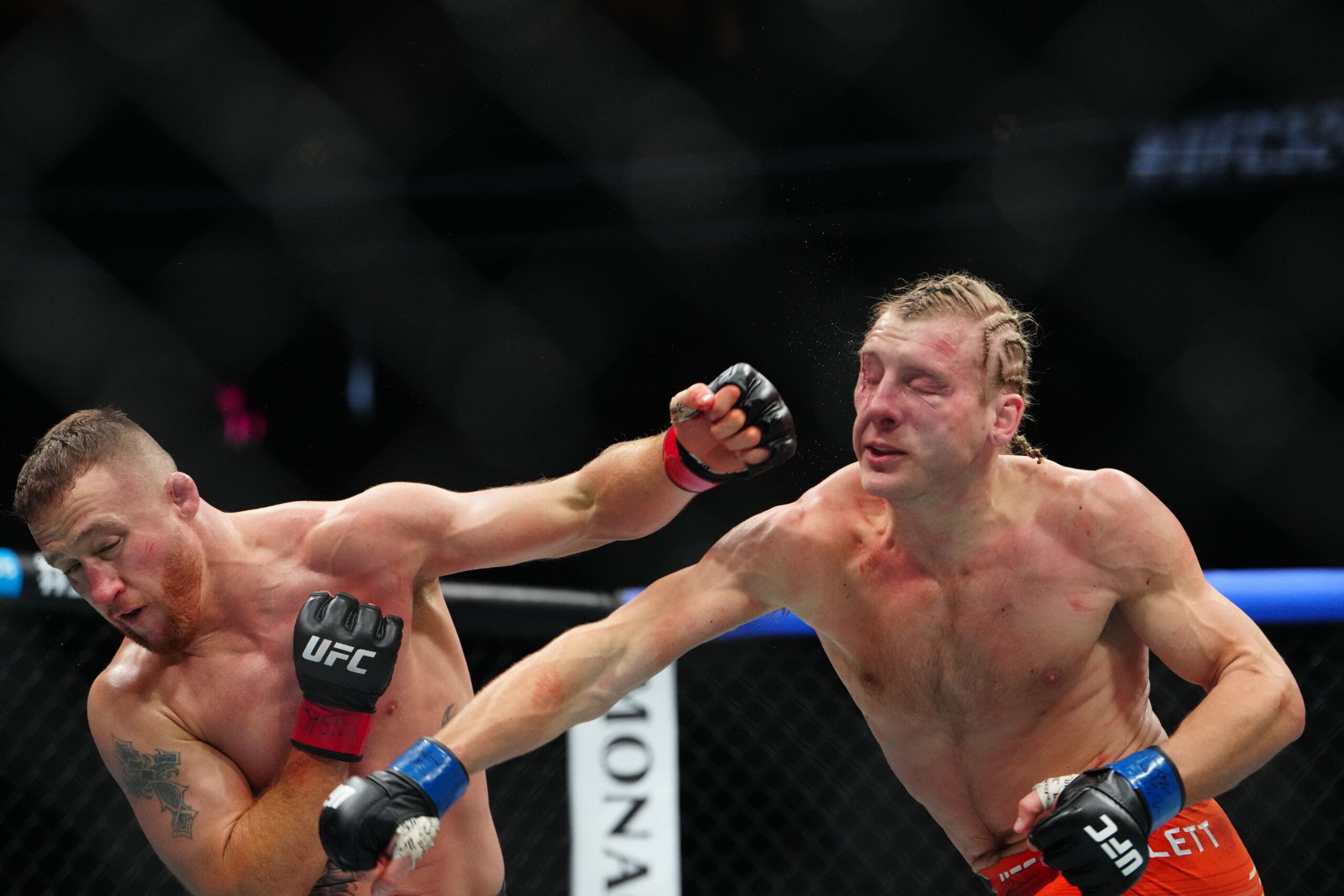
The rise of influencer boxing and YouTube-powered pay-per-view (PPV) events represents one of the most significant disruptions in modern sports media. What began as a novelty attraction featuring internet personalities has evolved into a multi-million-dollar industry capable of competing with traditional combat sports promotions. More importantly, it has revealed a fundamental truth about the modern entertainment landscape: in the digital age, owning an audience can be just as valuable as owning broadcasting rights.
How Fans Traditionally Watched Boxing Before the Digital Era
To understand the scale of this transformation, it is important to examine the evolution of the boxing PPV model itself. Long before home pay-per-view became commonplace, major boxing events were distributed through closed-circuit television. Fans would purchase tickets to watch a live broadcast in theaters, arenas, and other designated venues. The first major breakthrough came in 1948 when the rematch between Joe Louis and Jersey Joe Walcott became the first boxing match to be televised through a closed-circuit network. Over the following decades, the format grew into a global phenomenon.
By the mid-1970s, boxing had become one of the world’s most powerful live entertainment products. Muhammad Ali’s legendary “Rumble in the Jungle” against George Foreman in 1974 reportedly attracted an estimated 50 million buys worldwide, while the following year’s “Thrilla in Manila” between Ali and Joe Frazier reached an astonishing 100 million viewers globally. These events demonstrated boxing’s ability to generate mass audiences long before the internet era, but distribution remained dependent on centralized broadcasters and venue operators.
The next major shift arrived with the expansion of cable television and premium networks during the 1980s. HBO and Showtime transformed pay-per-view by bringing blockbuster fights directly into fans’ living rooms. This era was further defined by superstar attractions such as Mike Tyson, Oscar De La Hoya, Floyd Mayweather Jr., and Manny Pacquiao, whose individual star power became the driving force behind record-breaking PPV sales.
A key turning point came in 2007 when Floyd Mayweather’s showdown with Oscar De La Hoya generated 2.48 million domestic PPV buys, establishing a new benchmark for combat sports promotion. The event proved that carefully crafted rivalries and personality-driven storytelling could dramatically increase consumer demand.
The traditional PPV model reached its commercial peak in 2015 when Floyd Mayweather faced Manny Pacquiao in one of the most anticipated fights in boxing history. The bout generated a record 4.6 million PPV buys in the United States and more than $410 million in pay-per-view revenue alone, figures that remain unmatched in combat sports.
View this post on Instagram
Despite its success, however, the traditional system was heavily dependent on intermediaries. Broadcasters served as gatekeepers, controlling pricing, scheduling, distribution, and promotion while taking substantial shares of event revenue. Promoters spent millions of dollars on media tours, television appearances, and advertising campaigns designed to introduce fighters to casual audiences. Fans, meanwhile, often had to navigate cable subscriptions, satellite packages, and cumbersome purchasing systems simply to watch an event.
How Influencer Boxing and Social Media Transformed Fight Promotion
The emergence of YouTube creators and influencer boxing fundamentally disrupted the traditional combat sports business model. Rather than spending months and millions of dollars building public awareness around relatively unknown fighters, influencers entered the market with something promoters had historically struggled to acquire: massive, highly engaged audiences. Through YouTube, Instagram, TikTok, podcasts, livestreams, and daily content, creators could communicate directly with fans, bypassing many of the traditional media gatekeepers that had dominated boxing promotion for decades.
The shift was revolutionary because it transformed fight promotion from a short-term marketing campaign into an ongoing content ecosystem. Traditional boxers might embark on a six-week media tour before a fight. Influencers, by contrast, spend months creating storylines through training videos, callouts, public feuds, reaction content, and behind-the-scenes footage. The fight itself becomes the culmination of a season-long narrative that audiences have already invested in emotionally.
British YouTube star KSI was among the first to demonstrate the potential of this model. His 2018 amateur boxing match against Logan Paul reportedly generated more than 1.3 million pay-per-view buys worldwide, numbers that rivaled many established boxing events. Their 2019 professional rematch, promoted by Eddie Hearn and streamed globally on DAZN, further legitimized creator-led combat sports and introduced a younger digital audience to the sport.
ALSO READ: UFC Meta Rankings vs. Media Rankings: Breaking Down the Key Changes in the New System
Jake Paul elevated the concept from novelty to serious business. Since making his professional debut in 2020, Paul has become one of boxing’s most bankable attractions. His rematch against former UFC welterweight champion Tyron Woodley reportedly sold around 500,000 PPV buys, while his 2023 showdown with Nate Diaz generated an estimated 450,000 purchases. According to industry estimates, Paul’s events have generated hundreds of millions of dollars in total revenue, despite him having far fewer professional fights than traditional boxing superstars.
The industry’s distribution model evolved alongside these promotional changes. Boxing increasingly moved away from the traditional $100-plus cable PPV purchase model and toward digital-first streaming platforms. DAZN, for example, built its business around affordable monthly subscriptions, while newer services experimented with hybrid subscription and PPV structures designed to reduce consumer friction. The objective shifted from maximizing one-night purchases to building long-term platform engagement.
Audience acquisition also underwent a dramatic transformation. Historically, promoters relied on networks such as ESPN, HBO, Showtime, and Sky Sports to introduce fighters to mainstream audiences. Influencers eliminated much of that dependency by leveraging their own social media ecosystems. KSI, Jake Paul, Logan Paul, and other creators could promote events directly to tens of millions of followers, reducing marketing costs while retaining greater control over revenue and branding.
Creator-led promotions have also benefited traditional fighters. Jake Paul’s Most Valuable Promotions helped stage Katie Taylor versus Amanda Serrano at Madison Square Garden in 2022, the first women’s boxing match to headline the iconic venue. The event sold out the arena, drew more than one million viewers on DAZN, and delivered record purses for female boxers, proving that influencer-backed platforms could create opportunities beyond creator fights themselves.
The latest stage of this evolution has been driven by global technology companies. Netflix’s broadcast of Jake Paul versus Mike Tyson in December 2024 attracted more than 108 million households worldwide, illustrating how major streaming platforms increasingly view combat sports as a tool for subscriber acquisition and retention. In doing so, influencer boxing has reshaped not only how fights are promoted, but how sports entertainment itself is distributed and monetized.
The Advantage of Pre-Existing Communities
The true disruption of influencer boxing is not happening inside the ring but in the marketing funnel. For decades, boxing promoters had to build awareness from scratch for every major event. Millions were spent on television appearances, press tours, billboards, and advertising campaigns to convince a fragmented audience to purchase a pay-per-view. Even the biggest fights depended on weeks of carefully orchestrated promotion to generate mainstream interest.
Creator-led promotions flipped that model on its head. They don’t need to introduce fighters to the public because their audiences already know them. Fans follow creators daily through YouTube videos, podcasts, TikTok clips, livestreams, and social media posts. The relationship is already established long before a fight is announced.
As a result, promotion becomes part of the content itself. Training camps turn into vlogs. Face-offs become viral clips. Social media exchanges become headlines. Instead of a six-week marketing campaign, influencers build anticipation for months through constant audience engagement. The fight becomes the season finale of a story fans have been following in real time.
KSI and Logan Paul proved the model could work at scale. Before they ever entered the ring in 2018, their rivalry had generated hundreds of millions of views across YouTube. Jake Paul took the concept even further. His bouts against Tyron Woodley, Anderson Silva, and Nate Diaz generated hundreds of thousands of PPV purchases, while his fight against Mike Tyson became one of the most-watched combat sports events in history. Rather than relying on traditional sports networks, Paul leveraged his social media following of around 68 million to market directly to consumers.
The final piece of the puzzle is distribution. In the cable era, consumers had to navigate expensive PPV purchases and television providers. Today, fans can discover a fight, watch promotional content, and purchase the event through the same digital platforms they use every day. The friction between interest and purchase has been reduced to a few clicks.
Ultimately, influencer boxing’s greatest innovation is not the crossover fights themselves but the direct-to-consumer ecosystem behind them. By combining massive built-in audiences, continuous content creation, and seamless digital distribution, creators have transformed combat sports promotion from a marketing challenge into a community-driven business model.
Ease of Access and the Globalization of Fight Audiences
One of the most overlooked drivers behind the rise of influencer boxing and digital pay-per-view is simple: accessibility. While traditional PPV broadcasting generated billions of dollars for promoters and networks, it often created unnecessary friction for consumers. Fans were required to navigate cable subscriptions, satellite providers, regional broadcasters, and cumbersome television payment systems before they could even purchase an event.
Digital platforms have dramatically simplified that process. Today, a fan can discover a fight through a YouTube video, watch promotional content on social media, and purchase access to the event within minutes using the same device. The customer journey has been reduced from multiple steps across different platforms to a few taps on a smartphone. This convenience has played a major role in attracting younger audiences who have grown up consuming entertainment on demand.
Another major advantage of the digital pay-per-view era is the reduction of geo-restrictions. Historically, boxing fans outside major markets often struggled to access the sport’s biggest events because broadcasting rights varied from country to country. A fan in India, Australia, or South America could face entirely different pricing structures, viewing options, and release schedules compared to someone in the United States or the United Kingdom. In many cases, major fights were either unavailable or locked behind complicated regional agreements.
View this post on Instagram
Streaming platforms have helped dismantle many of these barriers by making events accessible to global audiences simultaneously. This has allowed boxing promotions to think beyond domestic markets and cultivate truly international fan communities. A Jake Paul or KSI fight can trend across North America, Europe, Asia, and the Middle East at the same time, creating a shared viewing experience that traditional broadcasting models often struggled to achieve.
There is tremendous value in infrastructure that enables fans to engage with content regardless of where it originates. The effects extend beyond viewership and often influence culture itself. Consider the dramatic growth of football fandom in the United States over the last decade. As streaming services made European leagues more accessible, American fans increasingly adopted traditional British football terminology. Today, it is common to hear supporters discussing a team’s new kit or praising a goalkeeper for keeping a “clean sheet”, phrases that were once largely unfamiliar outside football’s traditional strongholds.
This kind of cultural crossover occurs whenever passionate communities gather online. The phenomenon is also visible in the gaming industry, where international digital communities have popularized regional terms across borders. For example, the Australian term pokies has become widely recognized among gaming enthusiasts worldwide despite originating thousands of miles away from many of the players who now use it.
The same dynamic is unfolding in boxing. Fans are no longer restricted by geography when it comes to following fighters, promotions, or events. Easier payments, broader global availability, and platform-native distribution have removed many of the obstacles that once separated audiences from the content they wanted to watch.
Why Authenticity Drives Fan Engagement in the Digital Era
One of the biggest reasons influencer boxing has resonated with modern audiences is authenticity. Fans no longer want to engage with athletes only on fight night but follow the entire journey. The training camps, setbacks, injuries, emotions, sacrifices, and personal milestones are often just as compelling as the contest itself.
This is why vlogs, documentaries, and behind-the-scenes content perform so well across digital platforms. They create a level of emotional investment that traditional sports broadcasting has often struggled to replicate. Combat sports have increasingly embraced this approach. Jake Paul routinely documents his training camps and preparations for major fights, while KSI has built entire promotional cycles around content that allows fans to follow every step of the process.
The UFC also recognized this trend years ago with shows such as The Ultimate Fighter and the long-running Embedded series, which follows fighters during fight week and provides unprecedented access to their preparation, mindset, and personal lives. UFC Embedded episodes regularly generate millions of views because fans are eager to see what happens away from the spotlight. The promotion understands that the closer fans feel to an athlete, the more invested they become in the outcome.
The phenomenon mirrors the success of Formula 1: Drive to Survive, which transformed Formula One by giving viewers unprecedented access to drivers, teams, and rivalries. The series helped attract millions of new fans by turning races into the culmination of stories audiences had already been following. Boxing is now undergoing a similar evolution. The modern fan wants more than a ring walk and a fight: they want year-round access to the personalities behind the gloves. The curtain has been pulled back, and promotions that embrace transparency, storytelling, and continuous engagement are increasingly the ones winning the battle for attention.

Kshitiz Kumar Singh is a UFC Writer at NY Fights with over three years of experience in sports journalism and content creation. Known for his sharp storytelling and passion for combat sports, he has written in-depth features on stars like Brock Lesnar, Randy Couture, and Ilia Topuria. Before joining NY Fights, Kshitiz worked as a UFC Editor at EssentiallySports while currently serving as a WWE Editor at FirstSportz. His admiration for legends like Georges St-Pierre continues to inspire his detailed and engaging MMA coverage. Whether he’s covering the Octagon or the squared circle, Kshitiz is committed to delivering accurate, high-quality content. Outside the world of sports, he’s a dedicated cinephile, often found practicing monologues from his favorite Al Pacino films, combining his love for cinema with storytelling.