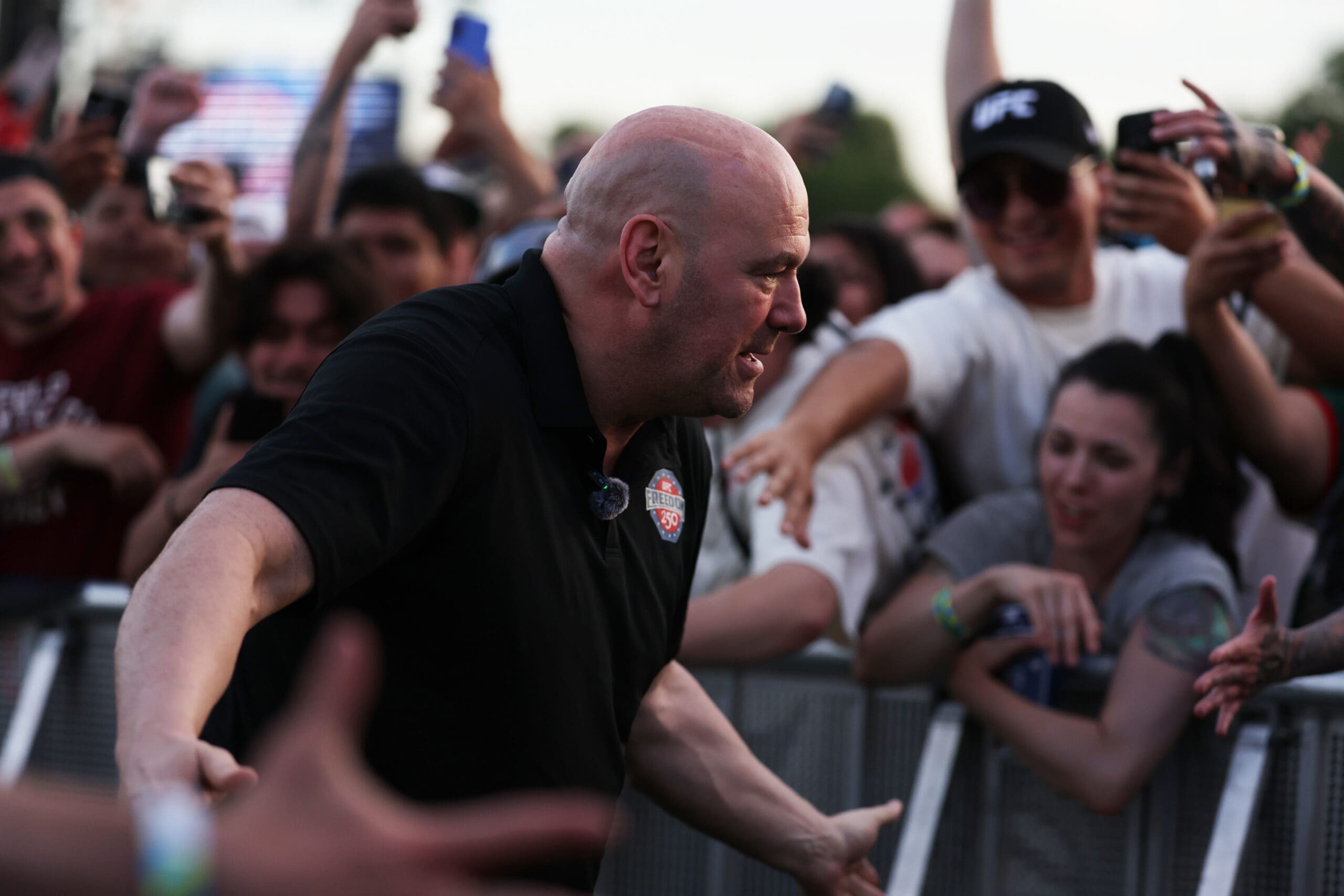
Waiting for a UFC event in 2026 has become a familiar cycle of anticipation, excitement, and wondering what comes next. Despite being only 33 years old, the sport has reached a point where every major card feels like an occasion. Fans don’t just watch the fights but also experience the buildup, speculation, and excitement that come with them. Take UFC Freedom 250 as an example. It marked the first time the promotion staged an event at the White House. The weeks leading up to the card were filled with anticipation, and the event itself delivered a moment few expected when Justin Gaethje stunned the world by stopping Ilia Topuria at the end of the fourth round.
For those watching live, it felt like one of those nights that would be remembered for years. But as soon as the broadcast ended, reality returned. The countdown simply reset. Now, attention has shifted toward what could be the next major moment on the UFC calendar: the long-awaited return of Conor McGregor at UFC 329. If he competes, it would mark his first appearance inside the Octagon since 2021, creating another event capable of capturing the sport’s full attention. That cycle is what defines modern MMA fandom.
A major fight card arrives, dominates the conversation, and then suddenly it’s over. The buildup, the press conferences, the weigh-ins, the undercard, the main event, and the endless post-fight debate all disappear within hours. The next morning, fans wake up to discover the next marquee event is still weeks away. For committed combat sports followers, that gap presents a unique challenge. The intensity of fight week has no perfect replacement, and an endless stream of training footage, social media posts, and promotional interviews can only fill so much of the void.
Understanding how fight fans spend that time between major events has become increasingly important for promoters, broadcasters, and brands looking to engage the combat sports audience beyond fight night itself. So what exactly do MMA fans do while waiting for the next big card? Here’s an attempt to find out.
The Content Consumption Power of Fight Fans
The core UFC audience skews heavily toward a coveted younger demographic. YouGov tracking indicates that 70% of frequent viewers are males aged 18–49, with a massive concentration (41%) sitting squarely in the 25–34 age bracket. Because of this, combat sports audiences consistently rank among the most engaged and digitally active fan bases in modern sports. Unlike many traditional sports consumers, MMA and boxing fans don’t simply tune in on event night but remain invested year-round, following storylines, rivalries, and fighter developments long after the final bell.
Part of that engagement comes from demographics. The core combat sports audience skews toward adults with disposable income, strong brand loyalty, and a proven willingness to spend on premium content, whether through pay-per-view purchases, streaming subscriptions, merchandise, or live event tickets. But the real difference lies in how these fans consume media. Between fight cards, social media effectively becomes an extension of the sport itself.
View this post on Instagram
ALSO READ: Dana White Reveals $100 Million Demand That Killed UFC’s Glove Deal With Trevor Wittman
The UFC’s presence on digital platforms reflects that reality. UFC-related content generated more than 72 billion views on TikTok between 2022-23, while the promotion’s official Instagram account has amassed over 49.9 million followers as of 2026, and maintains an impressive engagement rate of 3.4%, a figure many major sports brands would envy.
Moreover, fans track athletes across promotions, monitor training camps, analyze stylistic matchups, debate rankings, and form strong opinions on matchmaking decisions. As a result, combat sports followers are not passive spectators but highly engaged consumers who actively seek content, discussion, and entertainment while counting down to the next big fight night.
Bridging the Gap Between MMA Events
When there isn’t a live event to watch, fight fans rarely step away from the sport. Instead, they shift their attention to the endless stream of content that keeps the MMA ecosystem alive between cards. Knockout compilations, training footage, fighter interviews, podcast appearances, trash-talk exchanges, and technical breakdowns of striking, wrestling, and grappling all help fill the void. A fight camp may last three months, while a knockout takes only a few seconds, making digital content the bridge that sustains interest from one event to the next.
YouTube channels dedicated to classic fights, documentaries chronicling legendary careers, and full-fight libraries on streaming platforms attract millions of views from fans eager to revisit the sport’s greatest moments. Podcasts hosted by fighters like Michael Bisping, Kamaru Usman, Kenny Florian, Demetrious Johnson, and analysts like Joe Rogan, Jon Anik, and Big John McCarthy serve a similar purpose, offering deeper insight into game plans, training camps, and the technical nuances that casual viewers often miss.
View this post on Instagram
Specialized services such as UFC Fight Pass have further expanded that experience. With access to more than 10,000 historical bouts, fans can spend hours exploring the sport’s history. One evening might be spent revisiting iconic PRIDE and Strikeforce matchups, while another could involve rewatching early seasons of The Ultimate Fighter or tracing the rise of champions like Jon Jones and Khabib Nurmagomedov from their preliminary-card beginnings to championship glory.
The overlap with other entertainment categories is equally notable. Fantasy sports, sports betting, gaming, and sports-related media all capture significant portions of the combat sports audience. The key takeaway is not that fight fans gravitate toward one particular activity more than others. Rather, they tend to engage broadly across entertainment platforms, driven by the same desire for competition, risk, analysis, and high-stakes outcomes that make combat sports so compelling in the first place.
Combat Sports and Gaming: A Natural Overlap
The relationship between combat sports and gaming extends far beyond sponsorship logos and advertising placements. Over the years, fight culture has inspired an entire category of gaming content designed to appeal to audiences that thrive on competition, tension, and high-stakes outcomes. Fans recreate highly anticipated matchups or alter history inside EA Sports UFC video games, simulating potential superfights, such as testing how a peak Conor McGregor would fare against a prime Max Holloway, long before the fighters step onto the canvas.
One of the most recognizable examples remains the Rocky franchise, which has successfully translated one of boxing’s most iconic stories into gaming entertainment. Beyond established brands, numerous fight-themed titles have adopted the visual language of combat sports: championship belts, cage environments, walkout sequences, and knockout moments, to connect with audiences familiar with MMA culture.
View this post on Instagram
That connection exists because combat sports and gaming share similar storytelling structures. Every fight builds toward a decisive moment. Momentum shifts, pressure increases, and tension rise before an outcome is revealed. Many gaming formats follow the same pattern, creating an experience that feels familiar to fans who spend weekends watching title fights and main events.
The Pay-Per-View Mindset of Combat Sports Fans
Combat sports fans have long had a unique relationship with discretionary spending. Unlike supporters of many sports that are included in standard television packages, boxing and MMA audiences became accustomed to paying a premium for major events through the pay-per-view model. For years, UFC fans routinely spent around $80 for a single marquee card on ESPN, viewing the purchase as part of the overall experience rather than an occasional luxury.
That dynamic, however, has begun to shift. The UFC’s landmark $7.7 billion media rights agreement with Paramount+ has dramatically lowered the barrier to entry for fans. Instead of paying for individual events, subscribers can now access the promotion’s full calendar of fight cards through a monthly subscription that costs a fraction of what a single pay-per-view once demanded. The change has made following the sport more accessible while maintaining the premium appeal that has always defined combat sports.
View this post on Instagram
Even with that evolution, the mindset of the combat sports audience remains largely unchanged. Fight fans are accustomed to allocating a specific budget toward entertainment experiences they genuinely value. Whether it is a major UFC event, a streaming subscription, live attendance, merchandise, or another form of entertainment, spending is often driven by anticipation, immersion, and the thrill of being part of a larger moment.
That willingness to invest is one of the reasons combat sports audiences remain so attractive to broadcasters, sponsors, and entertainment companies. These fans are not passive viewers. They actively seek experiences that capture their attention, reward their engagement, and provide the same sense of excitement and unpredictability that makes a championship fight compelling in the first place.
Why the Industry and Promoters Pay Attention
Promoters have understood the value of the combat sports audience for years. From boxing ring mats and fighter walkouts to UFC broadcasts and digital content, gaming brands have maintained a strong presence through sponsorships, advertising placements, and long-term commercial partnerships. These relationships are not accidental. They exist because the overlap between combat sports fans and gaming audiences is both measurable and commercially significant.
Major boxing events regularly feature online gaming and casino sponsors in some of the most visible advertising spaces, while the UFC has built several lucrative partnerships with gaming operators over the years. In an industry where premium branding opportunities come at a premium price, promoters invest in partnerships that deliver results. The continued presence of gaming companies suggests that combat sports fans consistently engage with these products and services.
More broadly, these partnerships reveal an important truth about modern fight fans. They are among the most engaged consumers in sports entertainment. Their interest does not begin and end with fight night. Instead, they actively seek content and experiences that replicate the excitement, anticipation, and unpredictability that make combat sports so compelling. As a result, when there is no UFC card, boxing event, or major title fight on the horizon, fans rarely disengage completely. They simply redirect their attention elsewhere, whether through digital content, gaming, podcasts, or other forms of entertainment, while waiting for the next walkout, the next championship bout, and the next moment inside the cage or ring.

Kshitiz Kumar Singh is a UFC Writer at NY Fights with over three years of experience in sports journalism and content creation. Known for his sharp storytelling and passion for combat sports, he has written in-depth features on stars like Brock Lesnar, Randy Couture, and Ilia Topuria. Before joining NY Fights, Kshitiz worked as a UFC Editor at EssentiallySports while currently serving as a WWE Editor at FirstSportz. His admiration for legends like Georges St-Pierre continues to inspire his detailed and engaging MMA coverage. Whether he’s covering the Octagon or the squared circle, Kshitiz is committed to delivering accurate, high-quality content. Outside the world of sports, he’s a dedicated cinephile, often found practicing monologues from his favorite Al Pacino films, combining his love for cinema with storytelling.