Boxing in America needed a massive kick in the teeth. For decades, promotional rivalries, drawn-out negotiations, and network politics have made some of the sport’s biggest fights unnecessarily difficult to deliver. Fans have watched elite matchups stall for years while promoters protected their stars. Now, Zuffa Boxing is entering the picture with a fundamentally different model.
The financial backing is significant. Zuffa Boxing is a joint venture between TKO Group Holdings and Saudi entertainment company Sela, with Dana White, Turki Alalshikh, and Nick Khan among its key leaders. TKO already operates UFC, WWE, and PBR, giving Zuffa access to an established sports and entertainment infrastructure.
That approach differs from boxing’s fragmented promotional landscape, where companies such as Top Rank, Golden Boy, and Matchroom operate independently. Zuffa is instead aiming for a more centralized, league-style structure inspired by the UFC model.
The ambition extends beyond matchmaking. Paramount+ became Zuffa Boxing’s exclusive home across the U.S., Canada, and Latin America in 2026, with 12 events planned for the first year and room to expand.
The goal is clear: build a consistent boxing product, create meaningful fights, develop stars, and give fans a reason to follow the sport year-round. Whether that blueprint can overcome boxing’s deeply entrenched traditions remains the biggest question.
Shaking Up the Sweet Science
The biggest appeal is simple: make the fights fans actually want to watch. Zuffa Boxing has already shown that ambition by bringing major names and meaningful matchups under one banner. Canelo Alvarez vs. Terence Crawford stands as the clearest example, with the blockbuster showdown finally becoming reality in 2026 after years of speculation.
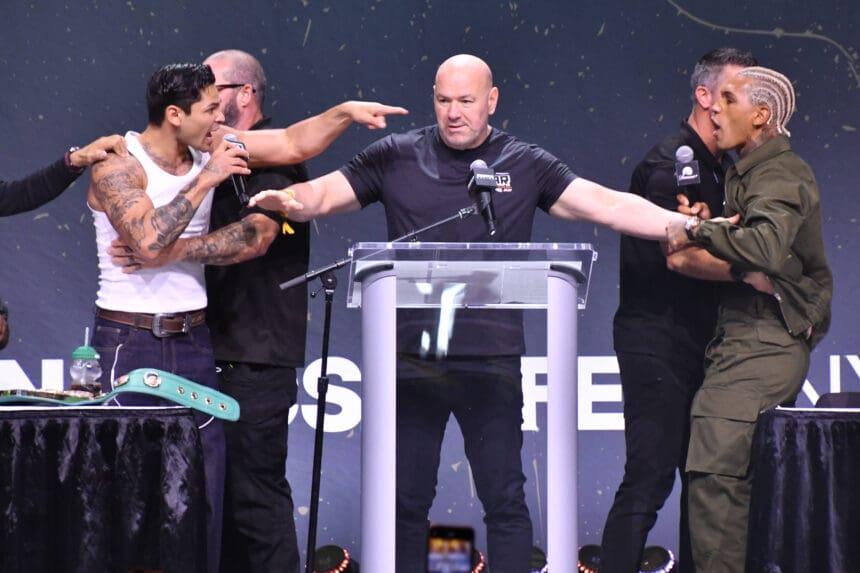
Zuffa has also delivered high-profile matchups such as Ryan Garcia vs. Conor Benn and Jai Opetaia vs. Noel Mikaelian, putting established stars and champions on the same cards.
That centralized approach could make matchmaking more efficient and create a more consistent schedule. Instead of leaving major fights dependent on rival promoters reaching agreements, Zuffa can potentially control more of the matchmaking, promotion, and event structure.
ALSO READ: Top 5 Fights on Fall Boxing Schedule
It does not eliminate boxing’s existing obstacles, including fighter contracts, sanctioning bodies, mandatory challengers, and independent promoters, but it could put greater pressure on the industry to move faster. The UFC blueprint also extends beyond matchmaking.
When fight fans calculate odds, assess fighter stamina, and back their favorite contenders on fight night, exploring options like betting Mozambique can add another layer of engagement. Suddenly, every counterpunch, momentum swing, and late-round adjustment carries greater significance, turning a Saturday night fight into an active tactical puzzle.
The New York State of Mind
New York remains one of America’s biggest sports markets, and boxing has a particularly deep connection with the city. Madison Square Garden has hosted generations of legendary fighters, making it a natural stage for Zuffa Boxing to establish its presence.
Zuffa made its New York debut with Zuffa Boxing 09 at the Infosys Theater at Madison Square Garden on July 26, 2026. Headlined by Edgar Berlanga vs. Steven Butler at super middleweight, the event marked an important step for the promotion in one of boxing’s most historic markets.
The event also highlighted the elements Zuffa can bring from its experience in combat sports:
- Strong arena atmosphere: A live crowd that remains engaged from the opening bell through the main event.
- Sustained media attention: A high-profile New York event gives Zuffa access to one of the country’s biggest sports media markets.
- Fast-paced presentation: Consistent pacing, fighter storytelling, and polished production can help keep both hardcore fans and casual viewers invested.
Breaking Down Promotional Roadblocks
The traditional boxing promotional model is fundamentally broken. Fighters can be tied to different promoters, networks, managers, and sanctioning bodies, making certain matchups difficult to arrange. The four major sanctioning organizations, the WBC, WBA, IBF, and WBO, also have their own rankings and championship structures.
That can leave one division with multiple recognized champions, making it difficult for fans to know who stands at the top. A centralized Zuffa system could offer a simpler alternative. A clear ranking structure and regular high-level matchmaking would make it easier for fighters to understand what they need to accomplish to earn a title shot.
There is a major obstacle, though. Boxing is not MMA, and Zuffa cannot simply erase decades of existing business relationships. Any changes would require cooperation from fighters, promoters, broadcasters, managers, and sanctioning organizations.
Can They Save the American Market?
American fight fans have heard every corporate pitch imaginable, so grand promises alone will not win them over. What could separate Zuffa is its approach to matchmaking and presentation. Instead of letting stars spend years facing carefully selected opponents, an aggressive schedule built around meaningful fights could deliver the urgency boxing fans have been demanding.
One of boxing’s biggest criticisms is its reliance on low-risk matchmaking. Undefeated prospects can build impressive records without consistently facing elite opposition, leaving fans waiting years for the inevitable test. Zuffa could change that by regularly putting top contenders on a collision course.
Imagine Jaron “Boots” Ennis, Vergil Ortiz Jr., Gervonta Davis, Naoya Inoue, and other elite names sharing the ring more frequently. The buzz would be massive.
Fans do not need every fight to be perfectly even. They want stakes, rivalries, elite talent, and consequences. That is where Zuffa could make its biggest impact.
Cleaning House for Real
The sport has been tangled up in petty promoter wars and endless political squabbles for way too long. Fighters can lose precious years of their primes waiting for the right opponent, purse, or network deal. Tyson Fury vs. Anthony Joshua has become a perfect example, with the blockbuster repeatedly discussed yet never crossing the finish line.
View this post on Instagram
A financially powerful organization like Zuffa could potentially tear down some of those barriers. Clear rankings, standardized contracts, and a consistent event calendar could push contenders toward meaningful fights instead of endless negotiations.
Fights That Actually Deliver
At the end of the day, nobody wants to pay good money to watch a predictable mismatch where an obvious favorite steamrolls a helpless opponent. Competitive matchups featuring aggressive fighters such as Isaac “Pitbull” Cruz or Emanuel Navarrete can create that atmosphere.
Strong undercards matter too. If every bout has a genuine storyline or meaningful stakes, viewers have a reason to keep watching. Streaming has changed how audiences consume combat sports.
Fans can watch from anywhere, while younger viewers increasingly discover fighters through clips and social media. That gives boxing a chance to build stars beyond traditional pay-per-view audiences.
A Massive Gamble on the Future
Fixing the American fight scene will take serious courage, deep pockets, and a bulletproof plan. Zuffa’s boxing project remains a gamble, but its success could reshape the sport if the company executes where others have repeatedly fallen short.
The formula is simple on paper: make major fights, develop new stars, deliver stacked cards, and give fans a reason to care about every event. Fighters, meanwhile, need the platform and opportunities their talent deserves.
But boxing does not need to become the UFC. It needs to become more willing to put the best available fighters against each other while the moment still matters. If Zuffa can break through promotional barriers and consistently deliver meaningful matchups, the impact could extend far beyond a single promotion.

Kshitiz Kumar Singh is a UFC Writer at NY Fights with over three years of experience in sports journalism and content creation. Known for his sharp storytelling and passion for combat sports, he has written in-depth features on stars like Brock Lesnar, Randy Couture, and Ilia Topuria. Before joining NY Fights, Kshitiz worked as a UFC Editor at EssentiallySports while currently serving as a WWE Editor at FirstSportz. His admiration for legends like Georges St-Pierre continues to inspire his detailed and engaging MMA coverage. Whether he’s covering the Octagon or the squared circle, Kshitiz is committed to delivering accurate, high-quality content. Outside the world of sports, he’s a dedicated cinephile, often found practicing monologues from his favorite Al Pacino films, combining his love for cinema with storytelling.