What To Know
- New York boxing writer and historian Matthew Pomara delivers his review of the new book “Requiem for a Middleweight”
- The book tells the life story of “Irish” Bobby Cassidy Sr., written by his son Bobby Cassidy Jr.
- Cassidy Sr.’s redemption story beyond the ring celebrates victories bigger than those inside the boxing ring.
In the unforgiving landscape of New York boxing, there are fighters, there are survivors, and then there is “Irish” Bobby Cassidy Sr. For those of us who have spent time around the gyms and listened to the whispered legends of the five boroughs and the two counties, Cassidy’s name commands a reverent, heavy silence. He was a million-to-one shot who turned pro without a single amateur bout and carved out a 59-win career against absolute killers.
But what happens when the toughest opponent a fighter faces is the reflection in his own mirror? That is the visceral, beating heart of “Requiem for a Middleweight,” written by his son, veteran journalist Bobby Cassidy Jr.

New York Boxing Nostalgia
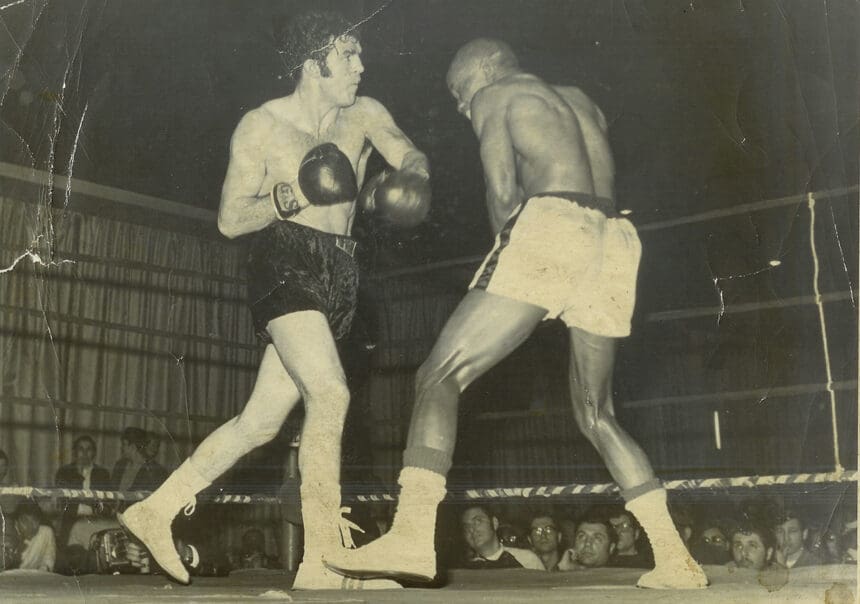
This book takes readers on an entertaining but extremely turbulent ride. It begins steeped in the intoxicating nostalgia of the old New York fight days. Cassidy Jr. transports us back to the deafening roar of Sunnyside Gardens, where his father wasn’t just a fighter; he was a premier top draw, packing the legendary, smoke-filled arena with working-class fans who saw their own struggles mirrored in the local tough guy.
He meticulously details the grueling rise and the agonizing heartbreak of a legitimate contender, detailing the darker side of the boxing business. Cassidy Jr. pulls back the curtain on a brutal chapter in the late Sixties when his father’s own management stopped protecting his record and began using his grit against him.
They cynically transformed a rising ticket-seller into a high-level journeyman and professional opponent, shipping him out to fight rising prospects and dangerous opponents on short notice, seemingly burning up his prime for a quick payday. He explores the emotional toll that takes on not only the fighter but his family.
Fighting His Way Back
Instead of breaking, Cassidy took the long road back. He recovered, got his career on track, and fought his way out of the journeyman trap to become a legitimate, world-class contender. Cassidy Jr. meticulously reconstructs this grueling resurgence, putting us ringside for the legendary 1973 30-round trilogy with Jimmy Dupree. He then captures the agonizing, ultimate heartbreak: the scrapped 1975 WBC title shot against John Conteh. It was a cruel twist of fate. Conteh broke his hand, leaving
Cassidy ranked number one in the world with no crown to show for it.
Yet, the true gravity of the story lies far beyond the ropes. “Requiem for a Middleweight” is an unflinching autopsy of childhood trauma and how those deep, unhealed wounds fueled a terrifying battle with alcoholism.
Cassidy Sr. lived a dangerous double life. While he was trading leather with world champions, he was also deeply entangled with the New York underworld, working as a mafia loan shark. The descent was violent, steep, and completely stripped of any Hollywood glamour.
Redemption Arc In “Requiem For A Middleweight”

What elevates this book from a tragic sports cautionary tale into a masterpiece of nonfiction is the profound arc of his redemption. The climax isn’t a knockout at Madison Square Garden or the down-on-his-luck fighter who finally wins the big one. It is Cassidy Sr.’s spiritual awakening, his connection to Christ, and his hard-fought sobriety.
He took the grit that made him a feared middleweight and channeled it into grace, dedicating years to doing meaningful work inside prisons. He stood face-to-face with inmates, using his own scarred past to reach men who were fighting the exact same demons he had finally managed to conquer.
Cassidy Jr. navigates this journey not just as an award-winning reporter, but as a son holding his father’s complex legacy up to the light. He doesn’t pull any punches right down to the heartbreaking final chapter of Cassidy Sr.’s life: the unfortunate, steady decline that has plagued boxing’s warriors for years. It is a stark reminder of the cruel, lingering toll the sport exacts on the men who give it their youth.
“Requiem for a Middleweight” is a story about the victories that don’t fit on a BoxRec ledger. It is essential reading for anyone who loves the fight game, reminding us why we watch, why fighters fight, and what it truly costs to step through the ropes. Cassidy Jr. has delivered a knockout tribute to a tough-as-nails contender, and to the enduring grace of a flawed man who finally found his peace.
READ MORE: Meeting Ricky Hatton: A Writer’s Remembrance

A lifelong resident of Long Island, New York, Matthew Pomara, MMP, has always followed the sweet science. He caught the tail end of the Ali era, was a staunch follower of the Four Kings of the 80’s, loved the great expansion of the sport in the 90’s and has stayed with boxing through the 2000s. He has been published in The Ring Magazine and loves contributing to @NYFights. He can be found on Twitter @pomara_matt