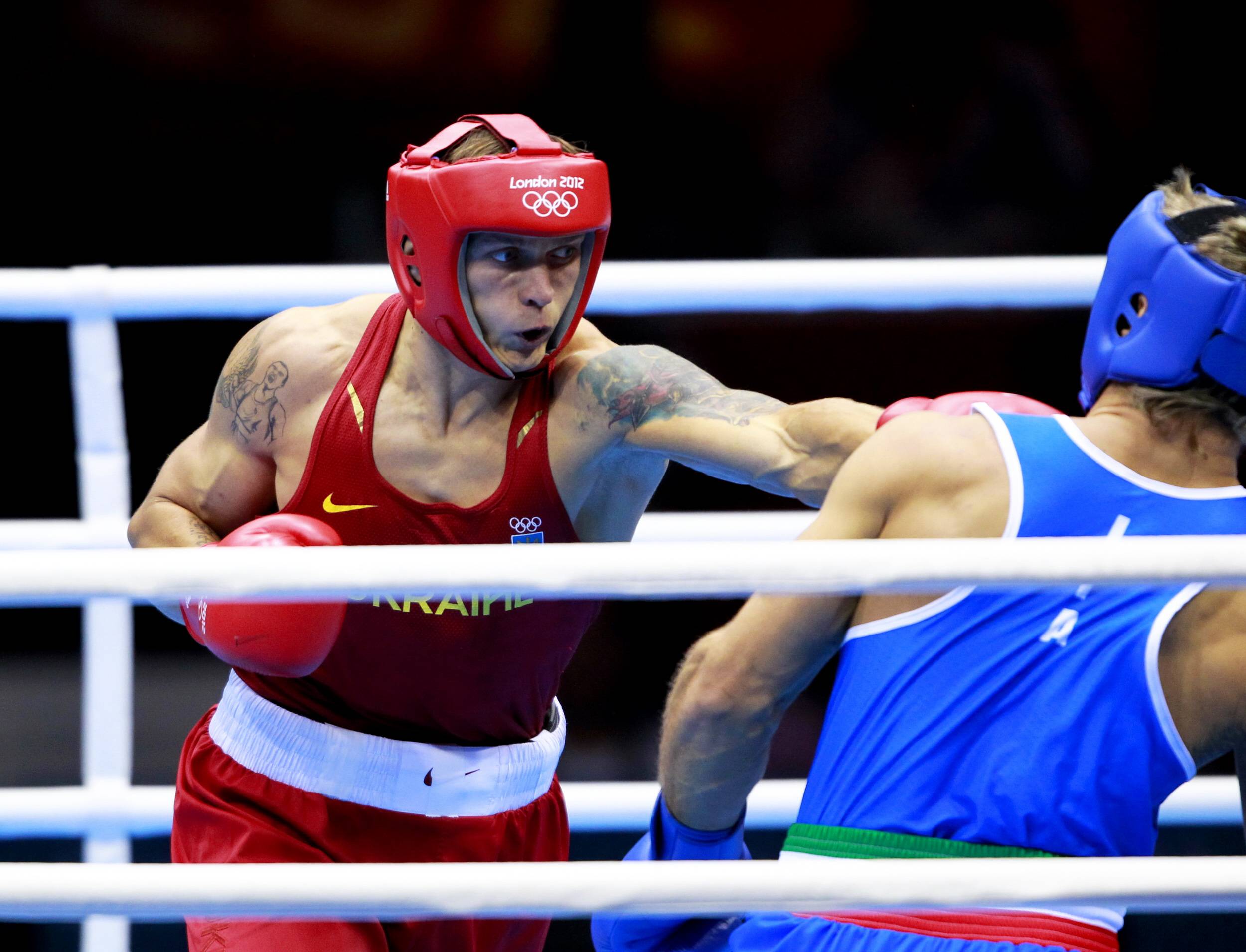
For many kinds of sports, success in the Olympic Games is an excellent ground for future championships. While Olympic boxing has produced some legendary fighters, including Oleksandr Usyk and Anthony Joshua, are they the exception?
Success in amateur competition doesn’t always guarantee dominance in the professional ranks. Thus, when you take your chances on a boxing betting site, do not rely only on Olympic medals in the records. Here is why.
The Olympic Boxing Stage — A Different Game
The Olympic Games and professional boxing have slightly different requirements. Olympic boxing emphasizes speed, precision, and point scoring. Moreover, athletes wear protective gear, bouts are shorter (three rounds), and judges reward clean punches instead of evaluating power or endurance.
Given the format of bouts, technical specialists who can create quick combinations and have excellent defense thrive the most. In general, the Olympics are more about speed and skill, while those parameters that are essential for professional boxing never play a decisive role.
At the same time, professional bouts are all about resilience, power, and endurance. With bouts that last 12 rounds, the requirements for athletes cannot be less demanding. It is not rare that Olympic champions have difficulties when adapting to professional boxing. The main features that prevent them from adapting quickly are the following:
- slower pace in bouts;
- heavier punches;
- psychological pressure of professional arenas.
Thus, whenever you consider betting on athletes who have just transferred to professional boxing and shown an excellent result in the Olympics, do not give them too much credit. According to The Guardian, only 17% of Olympic gold medalists succeed in professional boxing.
Transition Challenges — From Amateur to Pro
Moving from Olympic boxing to professional competition requires plenty of adjustments. Athletes must get accustomed to longer bouts, smaller gloves, and the absence of headgear.
Moreover, prioritized skills change to endurance, power, and tactical patience. On top of that, managers, promoters, and media expectations add pressure that Olympic athletes may not be prepared for.
Given all the challenges that arise in the process, some athletes simply fail to adapt to the new reality that they need to face. For example, Olympic champions with defensive, point-focused styles often struggle against aggressive professionals who always try to win with a knockout.
It’s crucial when doing a dive analysis of an athlete and their performance to pay attention to psychology. Following both social media accounts as well as trusted news sources will round out your insight. Sportsbooks can make it easy. MyBookie has an insightful section with all the recent insights from the boxing world. Visit sports-related websites to not miss anything that might impact your boxing betting strategy.
Conclusion
Success in the Olympics does not guarantee a successful career in professional boxing. Transition is packed with challenges, and not all the athletes adjust. Consider that when you place your next bets on bouts of previous Olympic champions, as wins in that prestigious tournament do not equal strong performance onwards.

Michael is an experienced writer and editor in sports media circles. As the founder and owner of Last Word On Sports INC, a partner at Sports Heroics, he brings a wealth of experience to the ownership group at Sports & Media Investors Group, LLC, which owns NYFights.com.