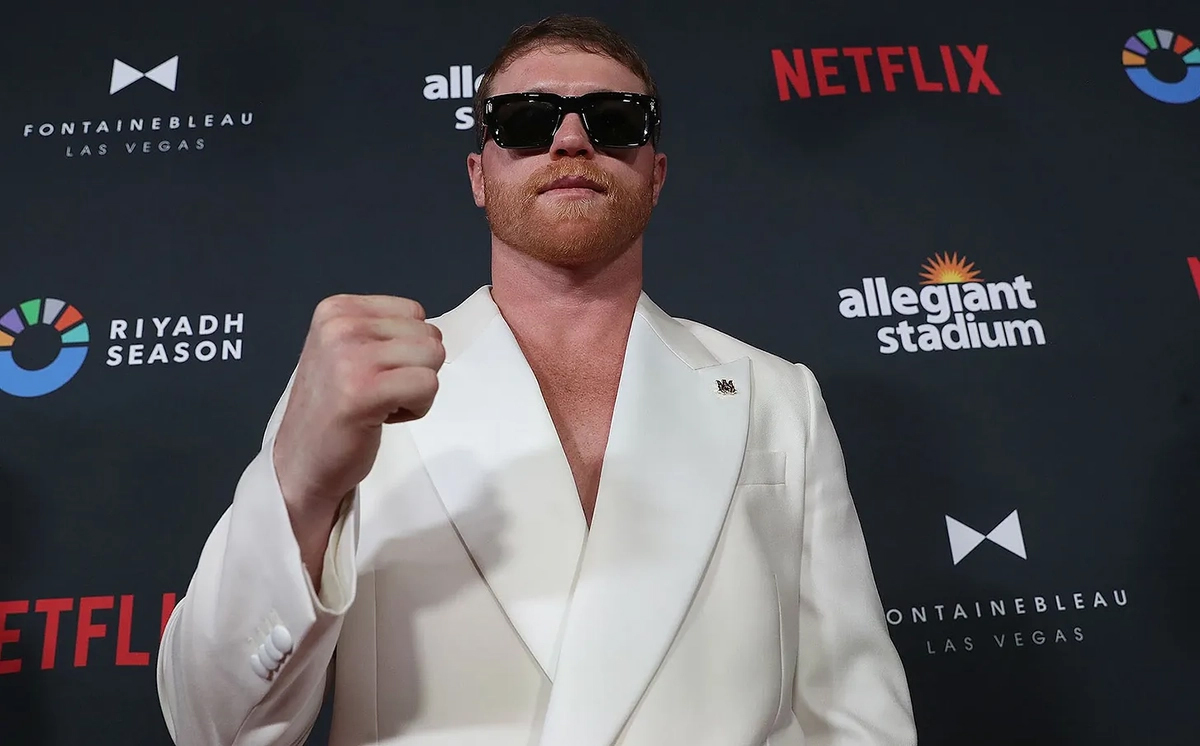
On Friday, Forbes released its annual list of the highest-paid athletes, and the combat sports figures were unexpectedly high. Two boxers, Canelo Alvarez and Jake Paul, combined for $240 million between May 2025 and May 2026, landing at No. 2 and No. 23 on the global ranking, respectively.
In contrast, no MMA fighters made the top 50. This absence underscores the UFC’s restrictive business model. While top boxers take home nine-figure paydays, the world’s premier MMA promotion pays its fighters a fraction of the revenue they help generate.
Now that the data is public, the MMA community is not happy at all, which is likely to leave Dana White’s UFC empire burning.
Canelo Alvarez’s $170 Million and Jake Paul’s $70 Million Show How Boxing Economy Works
The mechanism behind these massive paydays is a straightforward open market. Boxing allows elite fighters to negotiate directly as their own promotional entities.
For example, Álvarez negotiated a $400 million, four-fight contract with Riyadh Season in Saudi Arabia. This structure guaranteed him an $80 million per-fight baseline before factoring in pay-per-view backend shares. This allowed him to secure $160 million in pure ring revenue from just two appearances.
Similarly, Paul controlled his revenue splits through Most Valuable Promotions, allowing him to command a $60 million on-field purse split for high-profile spectacles against veteran names like Julio Cesar Chavez Jr. and heavyweight star Anthony Joshua.
Jake Paul and Canelo are the only fighters on Forbes’ new 2026 highest-paid athletes list 👀
No MMA fighters made it pic.twitter.com/eFzzz6JqTq
— Happy Punch (@HappyPunch) May 22, 2026
The UFC’s exclusive-contract, independent-contractor model simply cannot replicate this. Despite generating massive revenue and securing a $7.7 billion broadcasting deal with Paramount, the promotion shares an estimated 13% to 18% of total revenue with its fighters, compared to the 48% to 50% shared in the NBA and NFL through union-negotiated collective bargaining agreements.
This structural cap keeps lifetime career earnings for legends like Jon Jones, Alex Pereira, and Islam Makhachev below what a boxing star can secure in a single night. It is a disparity that recently led UFC fighters like Michael Page and Sean O’Malley to publicly question why the roster grinds for fractions of the revenue they help generate.
Canelo Alvarez and Jake Paul’s Forbes Numbers Put UFC’s Structural Problem on the Clock
The last time an MMA fighter reached the top of the Forbes list was Conor McGregor in 2021. He brought in $180 million, but $158 million of that figure came from selling his whiskey brand, not from fighting. Without outside business deals, UFC cage earnings have never matched elite boxing purses.
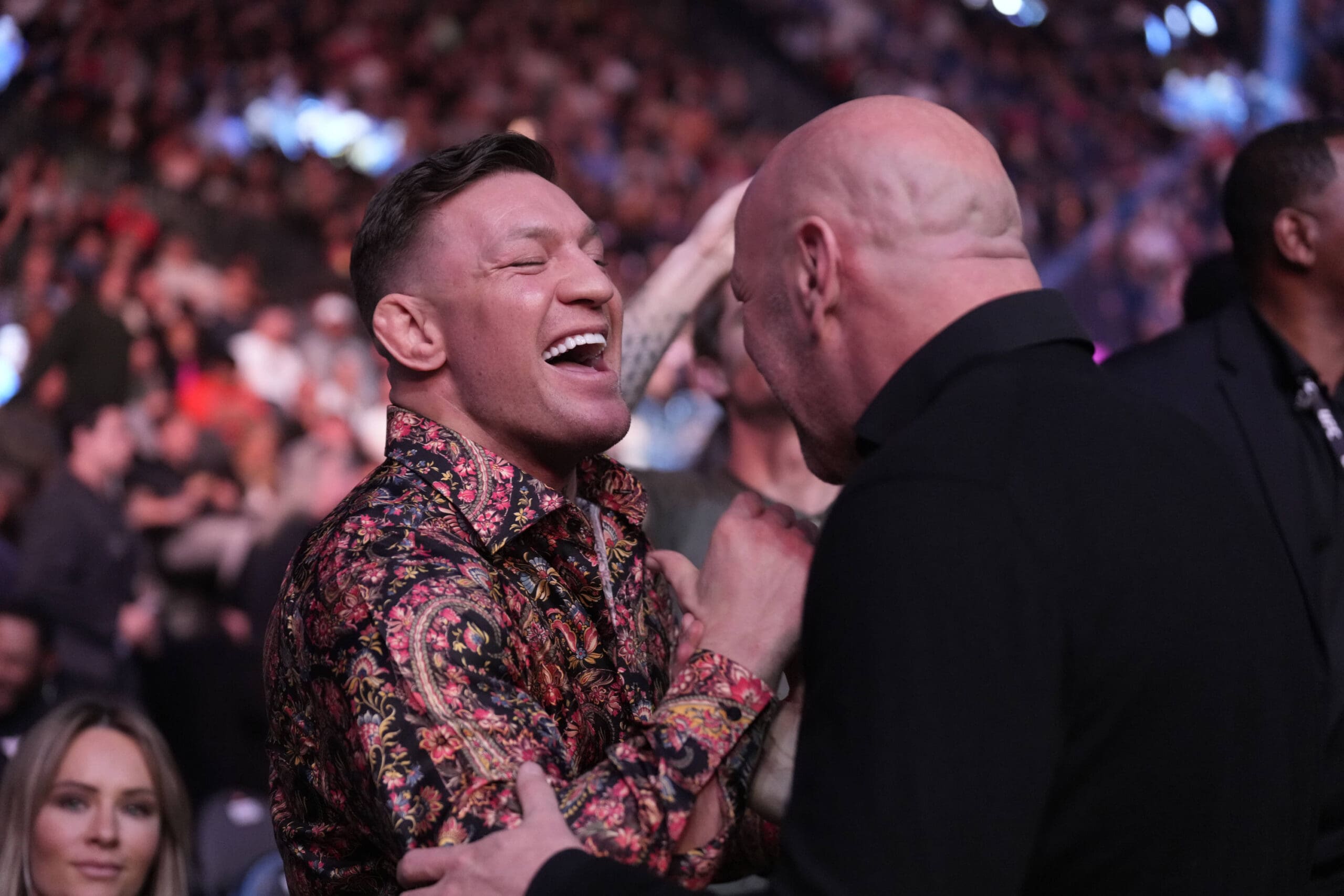
UFC CEO Dana White often frames public pay criticism as a fighter preference issue. According to Fox News, he told Vegas PBS that fighters keep quiet because public knowledge of their wealth makes life tougher. Meanwhile, the corporate top tier is thriving. TKO Group CEO Ari Emanuel made $67.4 million in 2025, and President Mark Shapiro took home $42.64 million.
However, they have made some surface-level adjustments, like increasing performance bonuses to $100,000 and introducing a $25,000 finish bonus. But these minor changes do nothing to fix the structural gap. Furthermore, the promotion’s new broadcasting deal with Paramount isn’t helping the fighters score high in the bank account.
By removing the traditional pay-per-view system for US audiences, the UFC secures massive guaranteed rights fees for itself, but it effectively strips away the uncapped PPV percentage points that elite fighters used to rely on to make mega-money.
Though boxing has its own financial flaws, the open market correctly rewards elite talent. Until MMA stars can land on these lists through fight purses alone, that reality remains undeniable.